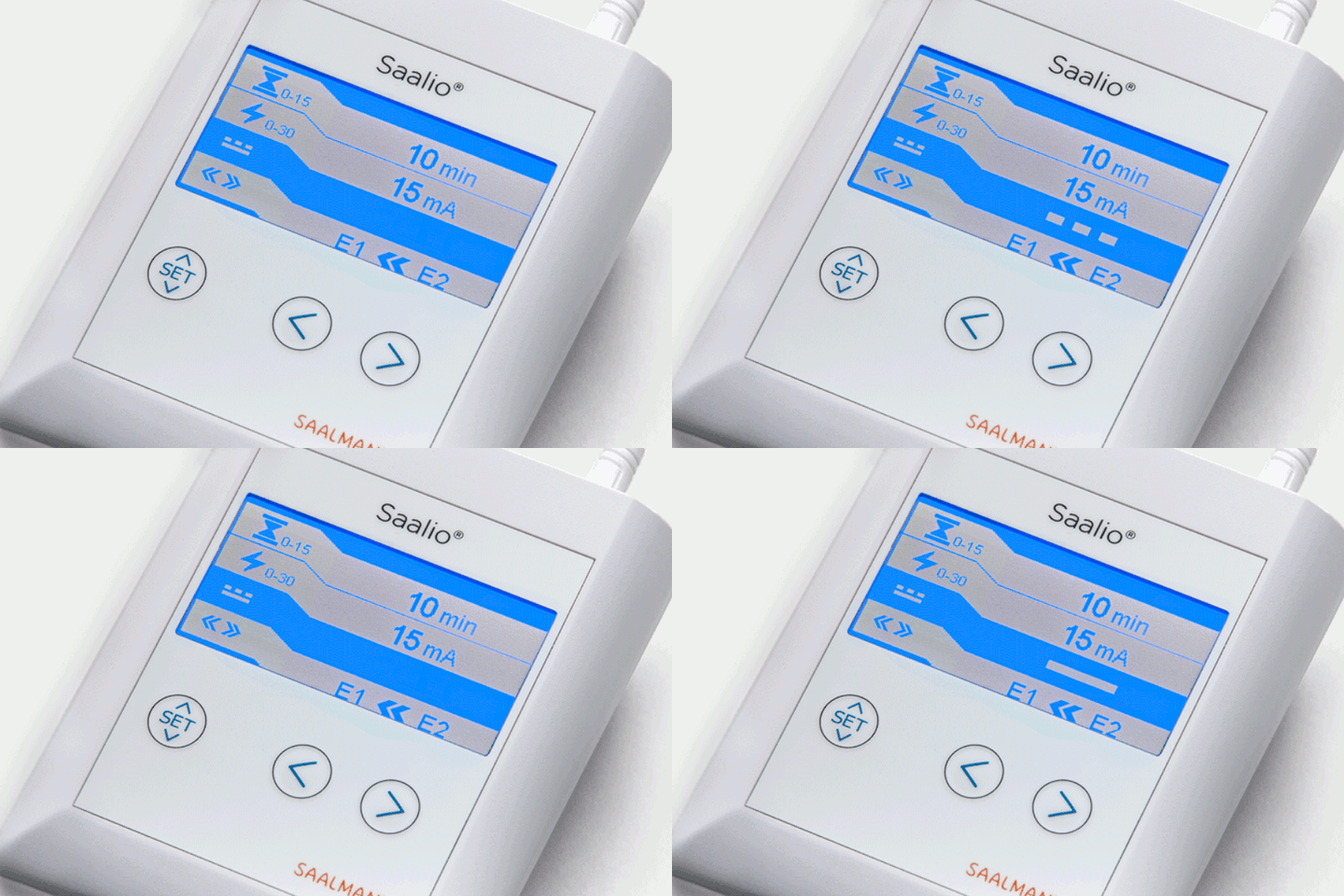
In practice, it has been shown that direct current is usually significantly more effective. That is why it is recommended in most cases.
Pulsed current is actually also direct current, but it is switched on and off very rapidly. As a result, at the same current strength, it is less effective than pure direct current.
One advantage of pulsed current, however, is that the treatment feels more comfortable. Many users can therefore set slightly higher current strengths without it becoming uncomfortable. Overall, however, this advantage is not sufficient to compensate for the lower effectiveness.
When is pulsed current appropriate?
Pulsed current is particularly suitable when only very low currents (1–3 mA) are possible – for example, for children with small hands or feet, or for very sensitive users. In such cases, pulsed current has the advantage that the current strength can be adjusted in finer increments.